Technology

Verification & Trust

The truth layer for the Intention Economy.

In the Attention Economy, brands competed for eyeballs through persuasion. In the Intention Economy, brands compete for agent trust through verification. When AI agents recommend products, negotiate purchases, and transact on behalf of consumers, trust isn't built through advertising — it's built through verifiable data.

Verification & Trust is the accountability layer of Neural Core. Independent verification that makes your claims defensible. Trust signals that agents can parse. The infrastructure that turns marketing assertions into auditable facts.
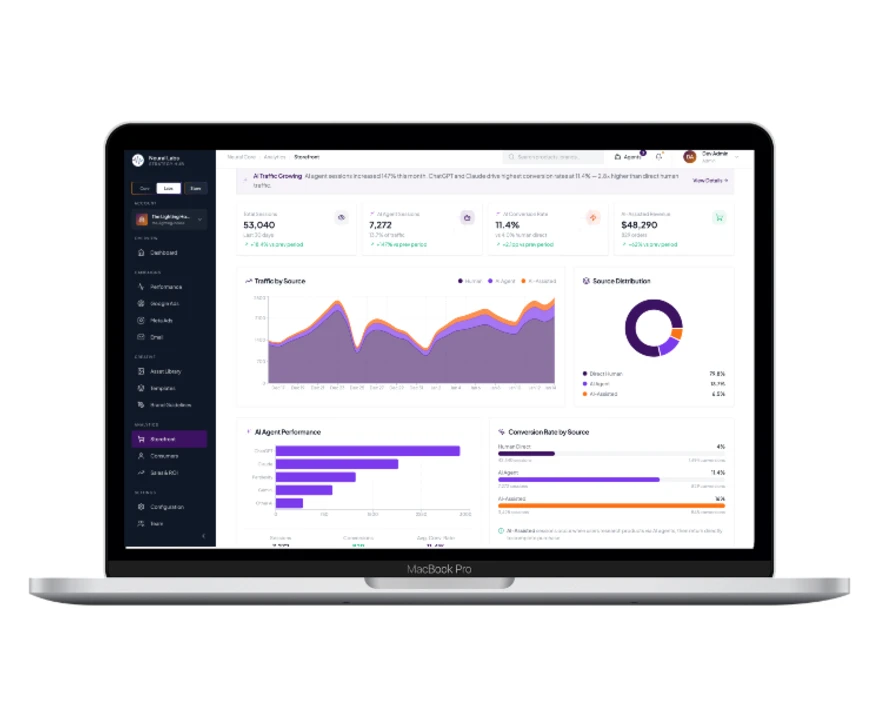
Verification and Trust visualization
Why Verification Changes Everything

The Agent Trust Problem

AI agents have a fiduciary relationship with their users. They're not impressionable like humans — they can't be persuaded by emotional appeals, brand storytelling, or repeated exposure. They evaluate claims against available evidence and recommend accordingly.

When an agent researches products on behalf of a consumer, it's asking: "Can I verify this claim? Is this data current? Does this business have trust signals I can evaluate?"

Businesses without verifiable data don't get recommended. It's that simple.

The traditional marketing playbook — build awareness, create preference, drive consideration — assumes human psychology. Agent-mediated commerce requires verifiable claims, trust infrastructure, and independent attestation.

The shift:
From persuasion to verification
From impression frequency to trust signals
From brand preference to verifiable performance
From self-reported metrics to third-party attestation

The Trust Stack

Trust Signal Architecture

Structure the signals that establish credibility with AI agents: reviews, certifications, transaction history, fulfillment performance, return rates. Make your trustworthiness machine-readable.

Third-Party Verification

Independent attestation that matters. Inventory accuracy. Pricing consistency. Fulfillment reliability. When we say "42% of your digital commerce was influenced by agents," we need verification that makes the claim defensible.

Brand Safety & Fraud Prevention

Pre-bid and post-bid verification ensures your ads appear in appropriate contexts. AI-powered detection of invalid traffic, click fraud, and sophisticated bot networks. Protection that evolves as threats evolve.

Viewability & Attention Metrics

MRC-accredited viewability measurement. Attention analytics that go beyond "was this ad technically visible?" to "did anyone actually see it?" Real metrics, not vanity metrics.

Supply Path Transparency

Full visibility into where ads ran, what was paid, and what was delivered. No black boxes. No hidden fees. No opacity in your supply chain.

Compliance Automation

GDPR, CCPA, and evolving regulations monitored and documented automatically. Compliance isn't a one-time audit — it's continuous verification built into infrastructure.

Verification Requires Independence

Self-reported metrics are inherently suspect. When you're both the claimant and the verifier, trust suffers. That's why Verification & Trust is built around strategic partnerships with independent verification providers.

We're building relationships with companies like HUMAN Security — not because we can't build fraud detection, but because independent verification is more defensible than internal claims.

When the agentic commerce ecosystem matures, brands will need third-party attestation for their agent-facing data. "Trust us" won't be sufficient. "Here's the independent verification" will be table stakes.

Common Questions

Why does verification matter more in agentic commerce?
Human consumers can be persuaded. AI agents can't. They evaluate claims against evidence and recommend based on verifiable data. Without verification infrastructure, your business looks untrustworthy to the agents increasingly mediating commerce.
What claims can be verified?
Inventory accuracy, pricing consistency, fulfillment performance, return rates, review authenticity, certification validity, and more. If it's a claim you're making to consumers or agents, it can be verified.
How does this relate to traditional brand safety?
Brand safety is part of the stack, not the whole thing. Traditional verification protects against fraud and inappropriate placement. Agent-era verification establishes the trust signals that make you recommendable.
Do we need this if we're not doing agent commerce yet?
Agent-mediated commerce is already happening — 87% of AI agent page interactions are product-related. The infrastructure you build now determines your visibility when agent commerce scales. Early investment compounds.

Ready to build agent trust?

Verification is the new persuasion.

Let's talk